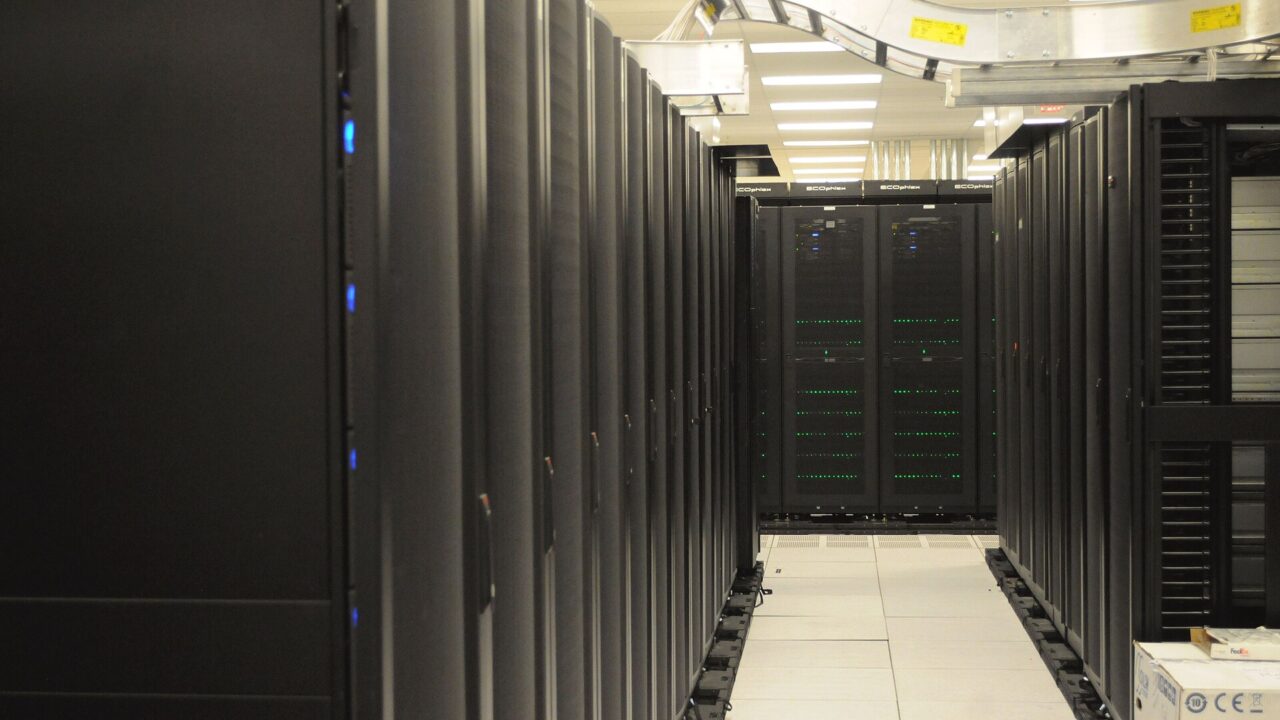
Anthropic is having trouble securing enough cloud capacity from Amazon Web Services, Google and Microsoft — the three companies it depends on to run Claude — because they increasingly see the AI lab as a competitor rather than a customer, according to an S-1 filing leaked to The Wall Street Journal and reported by TechCrunch on Tuesday.
An S-1 is the disclosure a U.S. company prepares before an initial public offering, and it is required to lay out risks in plain terms. Anthropic is reportedly targeting a November IPO. The leaked filing, as described by the Journal, is an unusually candid account of the central tension in the AI business: the labs need more computing power than anyone can supply, and the suppliers are building rival models of their own.
A $750 billion appetite
The filing adds detail to numbers Reuters and the Financial Times reported in late September, including that Anthropic believes it could spend more than $750 billion on cloud contracts, TechCrunch reported. Some of that total covers deals still in negotiation, so it is a ceiling the company is contemplating rather than a bill already signed.
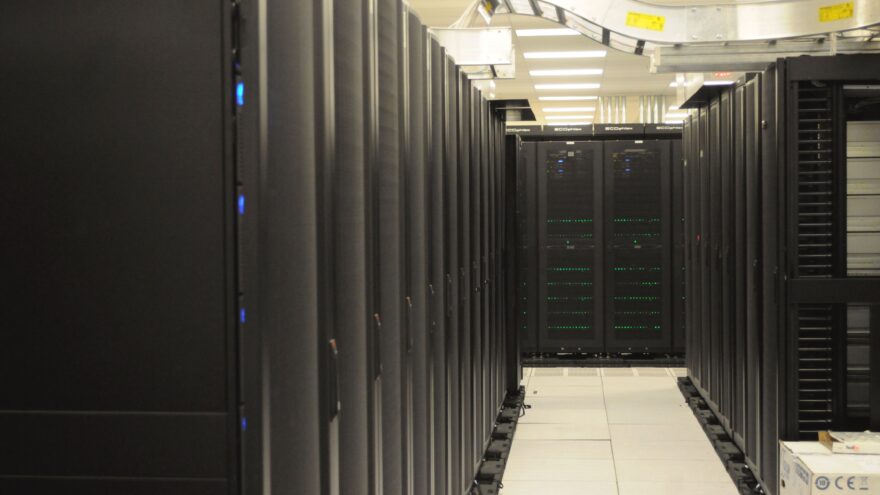
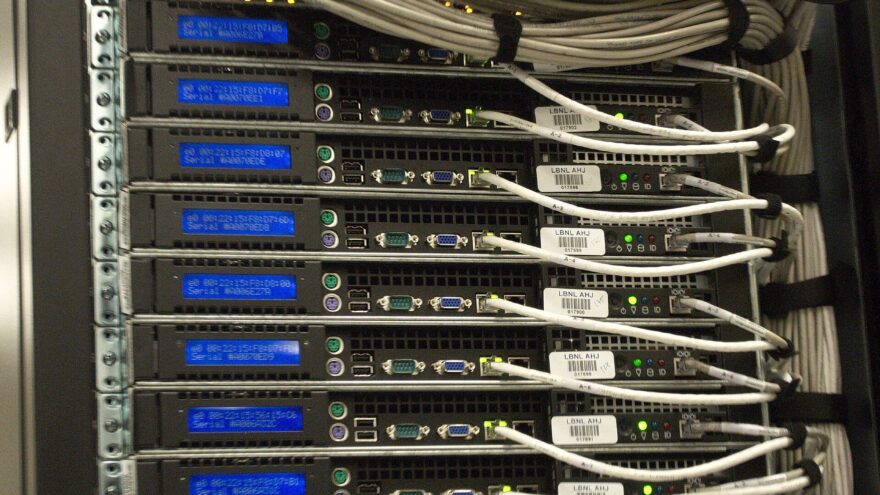
Even spending on that scale, the filing suggests, does not guarantee supply. Anthropic is leasing its own data centers and working with third-party data center operators to find capacity beyond the big three clouds. But the company worries those operators have a “limited operating history,” which could make them less reliable than the hyperscalers it is struggling to get enough capacity from.
The finances in the filing
The same document puts the company’s growth and its costs side by side. Anthropic recorded an $80.7 billion net loss in the first half of the year, according to the Journal’s report, on $16.3 billion in revenue during the same period. Only two customers accounted for about a fifth of sales — the kind of concentration IPO filings are required to flag, because losing either customer would be material.
The filing also builds on previously reported catastrophic-risk disclosures, warning that Anthropic could be held liable for damages caused by harmful AI behavior in an amount that would exceed its available insurance coverage, TechCrunch reported.
Growth is not the problem
None of this reflects weak demand. Last week, the company told prospective investors that third-quarter revenue alone reached $16.8 billion, up 45% from the previous quarter — more in three months than the $16.3 billion it reported for the entire first half. The constraint described in the filing is not customers. It is computers.
That is what makes the competitor problem structural rather than personal. AWS, Google and Microsoft sell Anthropic the capacity Claude runs on, while selling their own AI services against it. Every additional unit of capacity they allocate to Anthropic strengthens a rival; every unit they withhold slows one. The filing, as reported, says Anthropic has felt that conflict directly in its hunt for supply.
The filing also reframes Anthropic’s recent infrastructure moves. Leasing its own data centers is a departure for a company that built Claude entirely on other firms’ clouds, and working with operators it itself describes as having a limited operating history is not a first choice — on the filing’s own account, it is what a lab does when the established suppliers will not sell it all the capacity it asks for. That Anthropic says so in a document written for investors, rather than in a negotiation, is what gives the disclosure its weight.
Anthropic did not immediately respond to TechCrunch’s request for comment. Investors will get the official version soon enough if the November IPO target holds: a public S-1 will confirm which of these figures and warnings the company is prepared to stand behind, and the market will price the difference between $16.8 billion quarters and a $750 billion search for somewhere to run them.